In this presentation, Jitendra Kumar introduced the FAST protein-enabled platform, a novel approach to gene delivery that addresses longstanding challenges in the field of genetic medicines. Kumar began by outlining the global footprint of Entos, with headquarters in Edmonton, a European base in the UK, and research and manufacturing operations in San Diego and Carlsbad. The company’s origins in academic research and its multidisciplinary leadership team were highlighted as key strengths.
Kumar explained the rationale for genetic medicines, noting that many diseases arise from either loss or gain of function at the genetic level. For loss of function, introducing mRNA or DNA can restore normal activity, while gain of function conditions may benefit from siRNA or ASO therapies to reduce harmful gene expression. However, the delivery of these genetic materials remains a significant hurdle. The COVID-19 pandemic brought lipid nanoparticles (LNPs) to prominence, but Kumar emphasised their limitations, such as restricted cargo size, safety concerns, and challenges with repeat dosing.
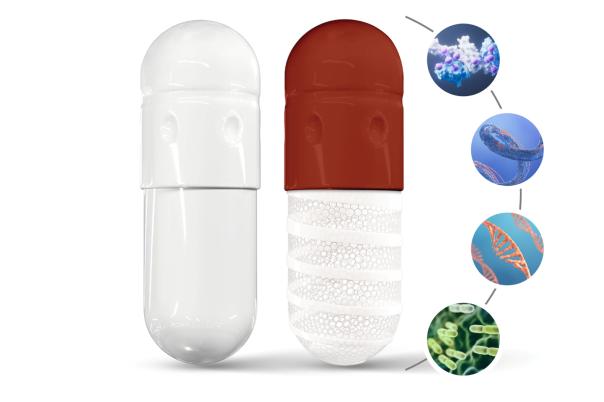
The FAST protein platform was presented as a solution that combines the advantages of viral and non-viral delivery systems. The fusion-associated small transmembrane (FAST) protein, derived from non-enveloped viruses, enables direct fusion with cell membranes, allowing genetic cargo to enter cells without relying on endocytosis. This mechanism not only improves delivery efficiency but also enhances safety and tolerability, as demonstrated in preclinical studies. Kumar shared data showing that the platform achieves broad biodistribution, avoids liver-centric accumulation, and supports sustained protein expression over extended periods.
Current research focuses on optimising formulations for targeted delivery, including to the lungs and central nervous system. The platform’s flexibility allows for multi-cargo delivery, making it suitable for complex therapies such as CRISPR. Kumar highlighted ongoing work in rare diseases like lipodystrophy, where single-dose gene delivery restored leptin expression and normalised metabolic parameters in animal models. Looking ahead, the team is exploring applications in obesity, including combination therapies with GLP-1 analogues, aiming to reduce the burden of frequent injections for patients. The FAST protein-enabled platform thus represents a significant advancement in the field, with the potential to transform the treatment landscape for genetic and metabolic diseases.