A three-year-old boy born with Hunter Syndrome has received a pioneering stem cell gene therapy, developed by researchers at the University of Manchester.
Key Takeaways:
· A three-year-old boy with Hunter Syndrome has successfully received a pioneering one-off stem cell gene therapy developed by University of Manchester researchers.
· The therapy replaces the faulty gene in the patient’s stem cells, enabling production of the missing enzyme and improving brain function; Ollie has fully recovered and shown remarkable progress.
· This first-of-its-kind trial could transform treatment for Hunter Syndrome and similar genetic conditions, offering new hope to affected families worldwide.
Hunter Syndrome
Hunter syndrome is a rare genetic condition also known as mucopolysaccharidosis type II (MPS II). The disease is characterised by an error in a gene, meaning those living with the condition cannot produce an important enzyme that breaks down complex sugar molecules.
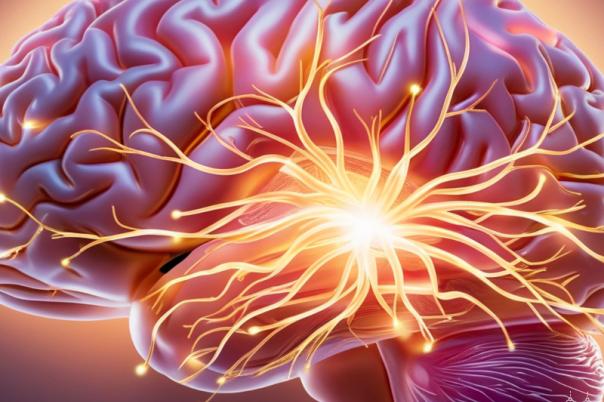
As a result, a dangerous level of sugar builds up in organs and tissues that leads to joint stiffness, hearing loss, breathing and heart problems, developmental delays and cognitive decline, resembling childhood dementia. Hunter syndrome can be life-threatening, with life expectancy typically between 10 and 20 years.
Stem Cell Therapy
In February this year, Oliver (Ollie) Chu was treated for Hunter syndrome in a clinical study being delivered at the Royal Manchester Children’s Hospital. The trial was conducted in collaboration with the Manchester Centre for Genomic Medicine at Saint Mary’s Hospital, which forms a part of the Manchester University NHS Foundation Trust (MFT).
Several months on from the procedure, Ollie has now fully recovered from the transplant, and his parents and the Manchester researchers are excited by his remarkable progress.
The procedure consisted of a one-off gene therapy that removed Ollie’s stem cells, replaced the faulty gene and re-injected the modified cells into the patient. These stem cells can produce high levels of the missing enzyme and also reach the brain.
Potential in Other Genetic Conditions
Professor Rob Wynn, Consultant Paediatric Haematologist and Director of Paediatric Bone Marrow Transplant Programme at RMCH and joint clinical lead, said: “For many years we have performed bone marrow transplants for children with Hunter Syndrome and similar illnesses. However, these are difficult procedures that can only deliver as much enzyme as the donor’s blood naturally has.”
Ollie Chu is the first of five young children with Hunter syndrome to participate in this study. This story is a truly exciting development that could pave the way for treating similar genetic conditions and bring hope to other families.