In her presentation, Maya Gasztyla outlined BrainStorm’s pioneering approach to drug discovery for brain diseases, a field facing significant challenges due to the complexity of the human brain and the high failure rate of clinical trials. Gasztyla began by describing BrainStorm as a multidisciplinary team of CNS drug developers, organoid experts, and AI specialists, united by the mission to redefine how therapeutics for brain diseases are discovered. The company’s platform integrates data from patient-derived brain organoids with advanced AI models, aiming to identify more effective disease targets and ultimately develop better treatments.
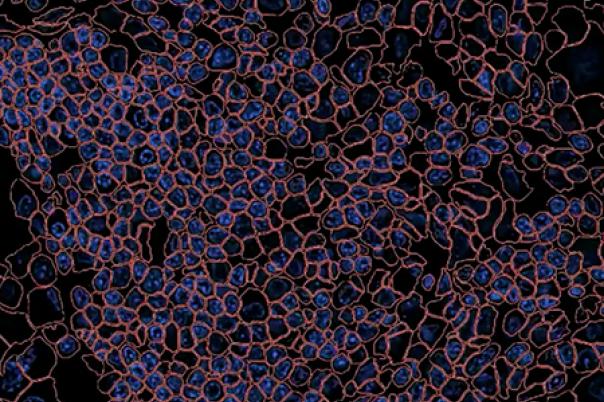
Gasztyla highlighted the limitations of traditional animal models, particularly mice, in predicting human outcomes, and explained how BrainStorm’s use of 3D brain organoids offers a more accurate representation of human brain biology. These organoids, grown from patient stem cells, enable high-throughput drug screening and allow researchers to measure clinically relevant endpoints, such as seizure-like activity in epilepsy models.
A key achievement discussed was the application of this platform to rare genetic epilepsies, including Rett syndrome and CDKL5 deficiency disorder. Gasztyla described how BrainStorm’s organoid models can distinguish between healthy and diseased states, as well as between different types of epilepsy, providing a sensitive tool for drug screening. Notably, the company’s collaboration with the International Rett Syndrome Foundation led to the discovery that Donepezil, an Alzheimer’s drug, could fully rescue disease phenotypes in Rett syndrome organoids. This breakthrough enabled BrainStorm to secure FDA clearance for a phase II clinical trial without additional animal data, demonstrating the speed and effectiveness of their approach.
Gasztyla also discussed ongoing work in Parkinson’s disease, where BrainStorm’s midbrain organoid models have shown high reproducibility across laboratories. The company’s AI platform, developed in collaboration with NVIDIA, is used to predict disease targets, elucidate drug mechanisms, and stratify patients for clinical trials. This multimodal AI system is continually refined with internal organoid data, supporting both target discovery and the development of novel therapeutics. BrainStorm’s achievements, including grant funding and industry recognition, position it at the forefront of innovative CNS drug discovery.