In her presentation, Beth Hoffman outlined Origami’s mission to use precision medicine to slow brain ageing and extend health span, with a particular focus on neurodegenerative diseases. Hoffman began by contrasting the objectives in oncology, where the aim is to kill cancer cells, with neurology, where the goal is to restore and maintain cell health. This distinction, she argued, necessitates a fundamentally different approach to drug discovery for neurological disorders.
Hoffman discussed the central role of proteostasis and autophagy in ageing and disease. She explained that impaired proteostasis, particularly deficits in protein degradation and autophagy, is a hallmark of many chronic diseases, including neurodegeneration. The decline in autophagy with age and disease leads to cellular dysfunction, tissue damage, and inflammation. Therefore, interventions that promote autophagy or protein degradation hold promise for improving health outcomes.
The presentation then focused on Huntington’s disease as a model for drug discovery. Hoffman justified this choice by highlighting its genetic basis, which allows for clear identification of pathology and patient recruitment. She noted the significant unmet need in Huntington’s disease, as there are currently no approved drugs that modify disease progression. The company’s strategy is to target the toxic, misfolded mutant huntingtin protein, aiming to restore normal function and extend health span.
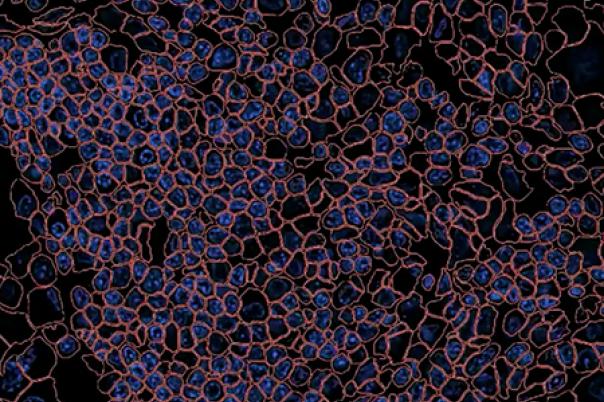
Hoffman described Origami’s innovative, phenotype-first, human-first approach to drug discovery. Rather than relying solely on hypothesis-driven target selection, the team employs unbiased phenotypic screens using human cells to identify compounds that effectively degrade the protein of interest. This method increases the likelihood of clinical translation, as it is guided by biological outcomes rather than assumptions.
The process of hit characterisation was also detailed. After identifying promising compounds, the team investigates their mechanisms of action, examining effects on protein and mRNA levels, as well as their impact on mutant huntingtin aggregation. Ongoing work involves further mechanistic studies, optimisation of lead compounds, and collaborations to advance candidates towards clinical development. Hoffman concluded by emphasising the importance of collaboration and patient involvement in driving progress in this challenging field.